World Cup Insights & Analysis brings together in-depth articles, historical context, official rule explainers, and much more to help fans understand the 2026 FIFA World Cup beyond fixtures and results.
Featured World Cup Insights
-
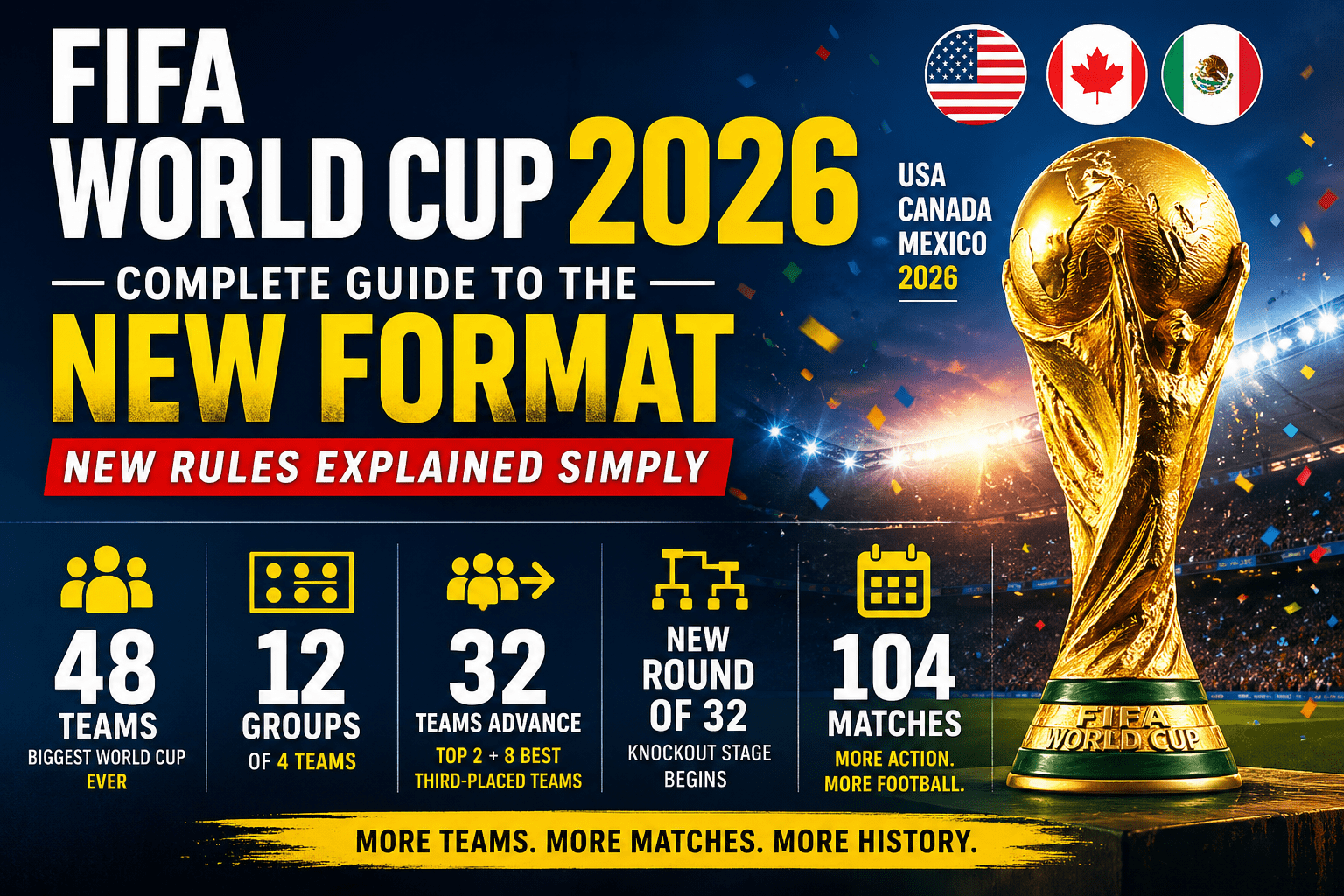
Complete Guide to FIFA World Cup 2026 Format: New Rules Explained Simply
The FIFA World Cup 2026 introduces a new 48-team format with 12 groups, expanded knockout rounds, and more matches. Here’s a simple guide to all the rules and structure.
-

Covering Your Mouth in Football? It Could Now Get You Sent Off
Covering the mouth has long been common in football, but a new FIFA rule for 2026 could change everything. Players hiding abusive language may now face red cards.
-

No Broadcaster, 40 Days to Go: Why FIFA World Cup 2026 Is Still in Limbo in India
India still has no confirmed broadcaster for the 2026 FIFA World Cup with just weeks to go. Here’s why the deal is stuck and what it means for fans.
-

The Hidden Science Behind World Cup Pitches
World Cup pitches are engineered with precision. From grass height to irrigation schedules, FIFA strictly controls every detail of the playing surface during the tournament.
-
The Hidden Role Every 2026 World Cup Team Must Appoint
For the first time, every 2026 World Cup team must appoint a certified Team Safeguarding/Welfare Officer. Here’s what FIFA’s new regulation means for player protection and tournament governance.
-
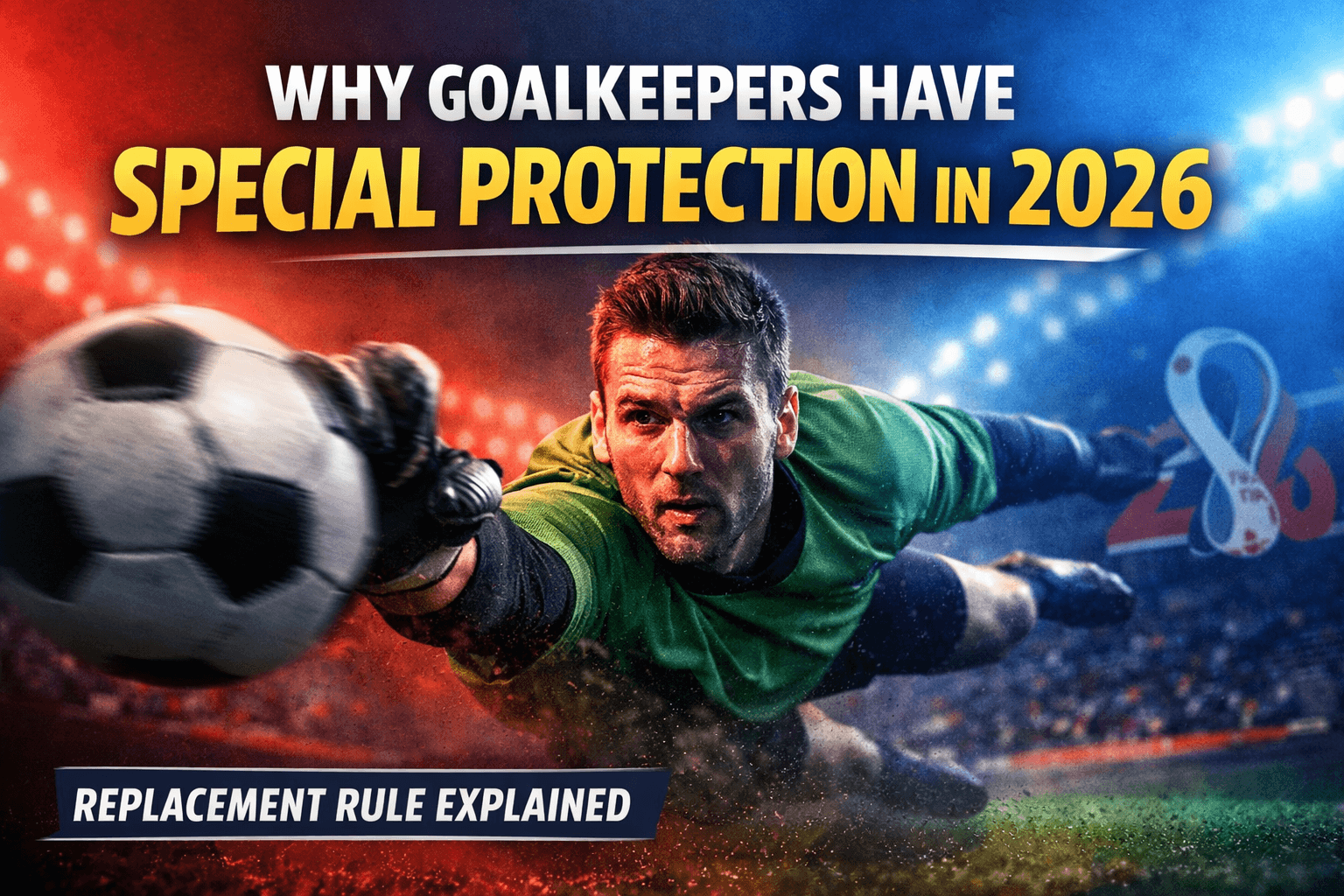
World Cup 2026 Goalkeeper Rule Explained: Why Keepers Get Special Treatment
FIFA has introduced a unique rule for World Cup 2026: goalkeepers can be replaced at any stage of the tournament, while outfield players cannot. Here’s why the special protection exists and what it means for teams.
-
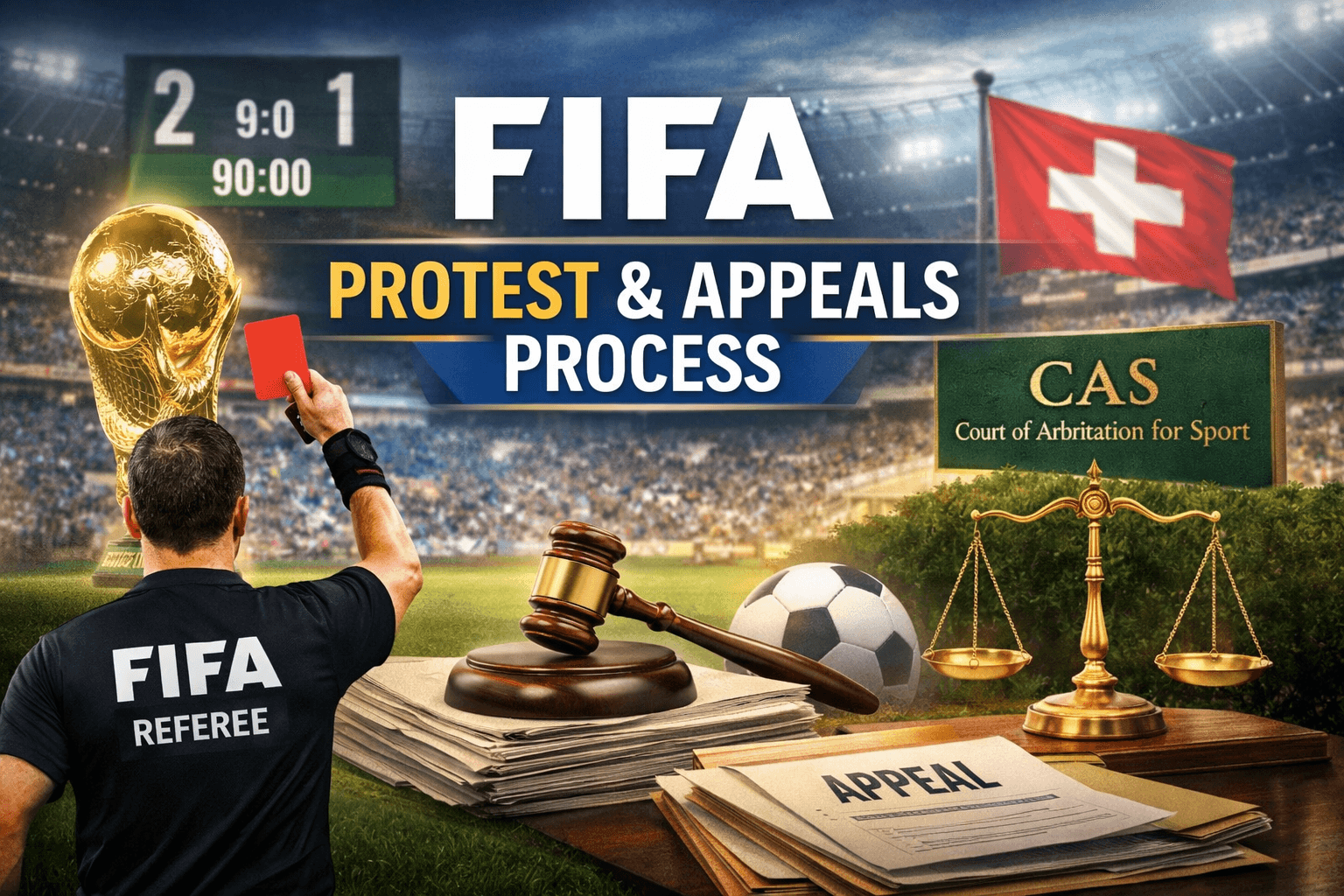
How FIFA Handles Match Protests and Appeals at the World Cup
Learn how FIFA handles match protests and appeals at the World Cup, including protest deadlines, referee authority, disciplinary review, and CAS appeal process.
-
What Happens If Iran Withdraws from the 2026 FIFA World Cup?
The FIFA World Cup is often presented as football’s grand global gathering — a stage where nations compete fiercely on the pitch while politics supposedly stays outside the stadium gates. History suggests otherwise. International sport rarely exists in isolation from world events, and the World Cup has often found itself intersecting with diplomatic tensions, security…
-
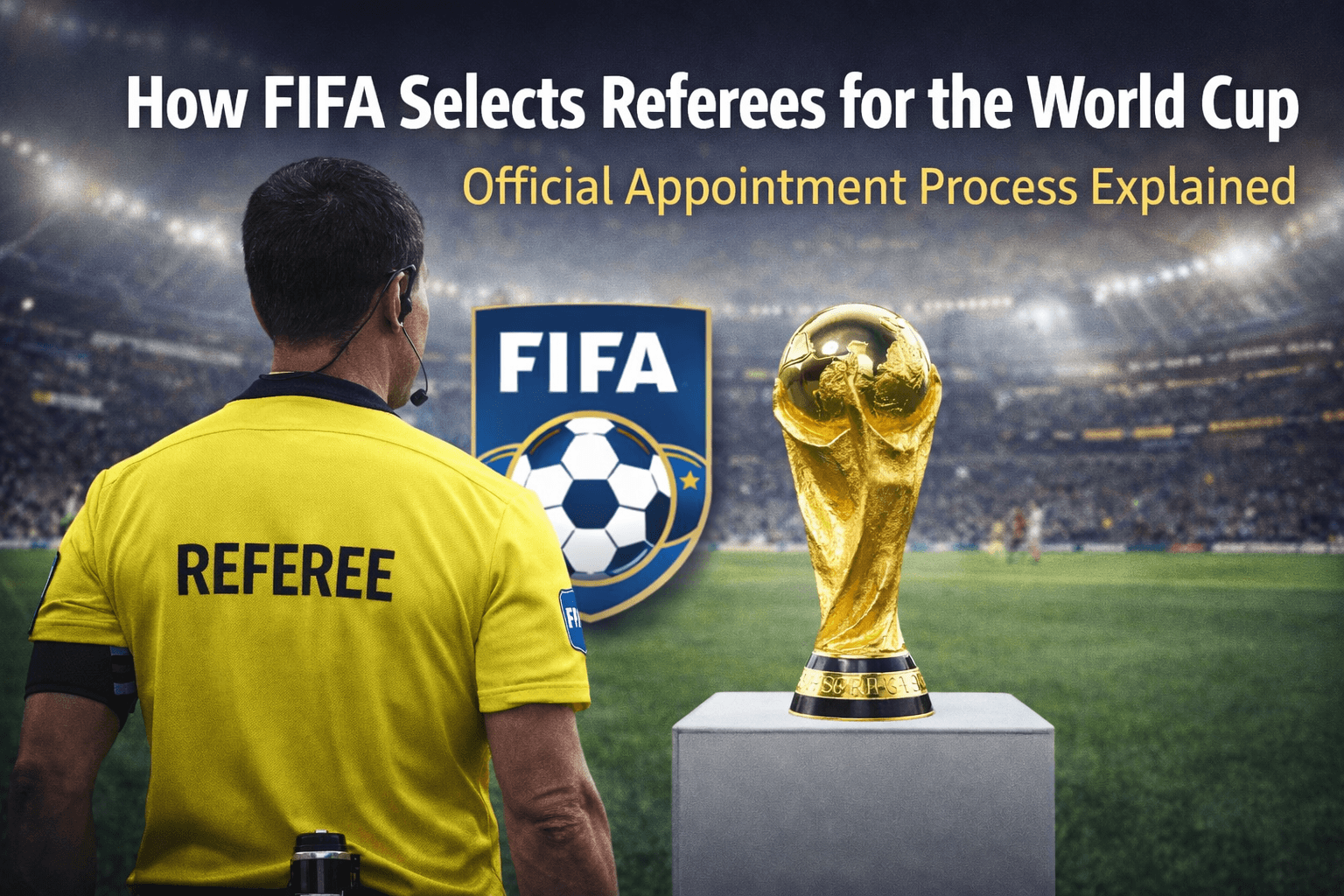
How FIFA Selects Referees for the World Cup: The Official Appointment and Evaluation Process
FIFA selects World Cup referees through a strict process involving eligibility requirements, performance monitoring, neutrality safeguards, and pre-tournament preparation. This article explains how officials are chosen and appointed using official FIFA regulations and evaluation systems.